Role of Technology in Medical Tourism | CureOn Health Tourism

Blog/Articles


May 27, 2026
Role of Technology in Medical Tourism | CureOn Health Tourism
How Technology is Changing the Medical Tourism Experience
Medical tourism has evolved far beyond just traveling for treatment; it’s now a well-connected, technology-driven journey that links patients and hospitals across the world. From the moment a patient begins searching for healthcare options abroad to the final follow-up after surgery, technology plays a central role in making the entire process faster, smoother, and more dependable.For patients coming to India, advanced digital tools have made the entire journey, from consultation to recovery, seamless and stress-free.How Technology is Changing the Medical Tourism Experience Earlier, patients had to rely on agents, word of mouth, or limited information to plan their medical trips. Today, just a few clicks can connect them with the best doctors and hospitals across the world. Let’s understand how technology has improved every step of the medical tourism process.
1. Digital Research and Hospital Discovery
The first step in any medical journey is finding the right healthcare provider. Technology has made this simpler than ever.
Through official hospital websites, medical tourism portals, and online reviews, patients can now explore:
Hospital specialties and facilities
Doctors’ profiles, qualifications, and experience
Treatment success rates and patient testimonials
Estimated costs and packages for procedures
2. Virtual Consultations and Telemedicine
One of the biggest technological breakthroughs in medical tourism is telemedicine. Before travelling, patients can consult doctors online, share medical reports, and discuss treatment options through video calls or secure platforms.This not only saves time and money but also helps patients make confident decisions before flying to India. After surgery, these same telemedicine platforms are used for follow-ups and recovery guidance, without the need for repeated travel.
3. Electronic Health Records (EHRs)
Sharing and storing medical data securely is crucial in international healthcare. Electronic Health Records (EHRs) allow hospitals to access a patient’s complete medical history instantly, improving diagnosis accuracy and coordination among doctors.
When a patient travels to India for treatment, their records, including scans, lab results, and prescriptions, can be securely shared with doctors abroad using encrypted systems. This technology ensures better care, reduced errors, and smoother transitions between home-country and destination-country healthcare providers.
4. AI and Big Data for Better Treatment Outcomes
Artificial Intelligence (AI) and Big Data are helping hospitals analyze large amounts of health information to predict complications and improve treatment results. AI-powered tools can:
Assist doctors in early diagnosis
Personalize treatment plans based on patient data
Predict recovery patterns and possible risks
In India, many leading hospitals use AI-supported diagnostic tools and robotic-assisted surgeries, making them more attractive to medical tourists seeking precision and safety.
5. Mobile Apps and Real-Time Support
Mobile technology has simplified the medical travel experience. From booking appointments to tracking treatment progress, mobile apps help patients stay connected at every step.
6. Digital Payment Systems
Technology has also simplified international payments. With secure online gateways, patients can now pay for consultations, hospital bills, and travel packages easily from their home countries.This transparency in pricing and ease of transactions removes major barriers for global patients and builds trust between the patient and the healthcare provider.
7. Virtual Reality (VR) and 3D Technology
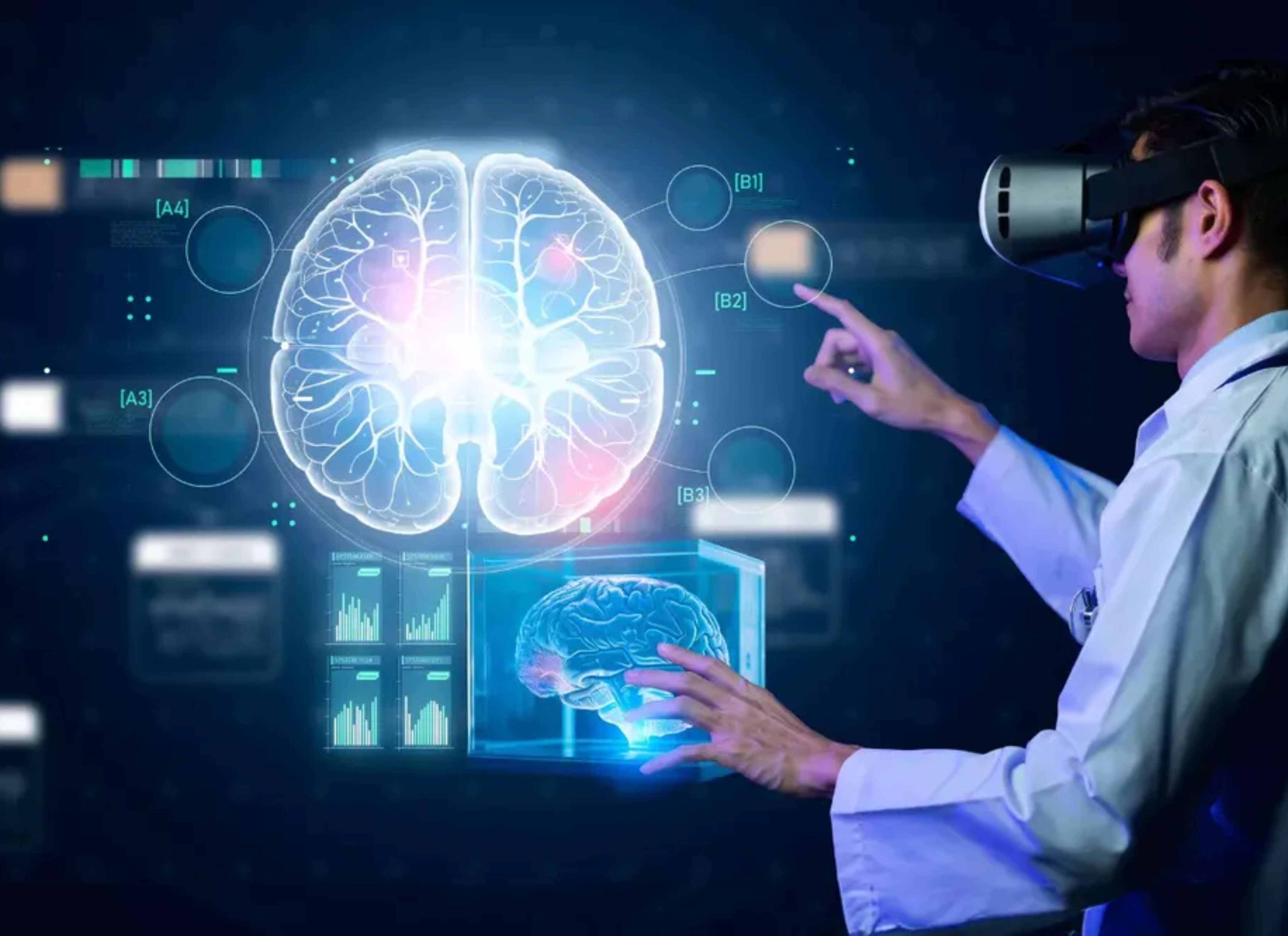
Some hospitals use Virtual Reality (VR) to help patients understand complex surgeries before undergoing them. 3D imaging is also being used to create detailed visuals of a patient’s anatomy for accurate surgical planning. These technologies help reduce fear, improve understanding, and enhance the overall patient experience.
8. Post-Treatment Follow-Up and Remote Monitoring
Even after patients return home, technology continues to keep them connected with their doctors in India. Using smart wearables and health apps, doctors can remotely monitor vital signs, such as blood pressure, heart rate, and glucose levels.This ensures continuous care and long-term recovery without physical presence, making international healthcare more reliable than ever.
Conclusion
Technology has made medical tourism more efficient, transparent, and patient-friendly. From initial consultations to post-treatment recovery, digital tools bridge the distance between patients and doctors across borders.
At CureOn Health Tourism, we combine the best of technology and human care to make your medical journey in India smooth and stress-free.
Whether it’s choosing the right hospital, connecting with specialists, or arranging travel and stay, our tech-enabled solutions ensure you receive world-class healthcare with a personal touch.