
Cataract Surgery SICS(Small Incision Cataract Surgery)

Cataract Surgery SICS(Small Incision Cataract Surgery)
Small Incision Cataract Surgery (SICS) is a manual, sutureless technique used to remove a cloudy lens and restore clear vision. A small, self-sealing incision is created on the eye, through which the
Specialty: Ophthalmologist

Indore
Price: ₹12,000 Onwards
About Cataract Surgery SICS(Small Incision Cataract Surgery)
Treatment Procedure
Preoperative assessment
Vision testing, eye measurements, and general health evaluation.
Discussion of lens options and anesthesia plan.
Anesthesia
Usually done under local anesthesia with numbing drops or an injection around the eye.
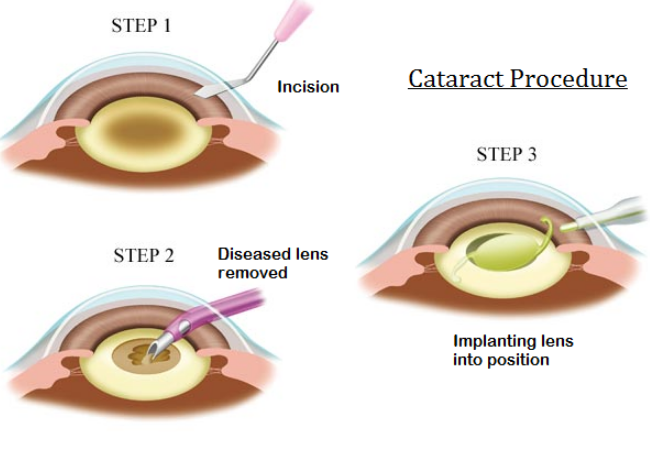
Creating the incision
A small (5–7 mm), self-sealing tunnel incision is made on the sclera.
Cataract removal
The cloudy lens is delivered using a manual technique without ultrasound.
The lens nucleus is expressed through the incision.
IOL implantation
A foldable or rigid intraocular lens is placed inside the natural lens capsule.
Closure
The incision is designed to self-seal, usually without stitches.
Postoperative care
Eye drops (antibiotic + anti-inflammatory) prescribed for several weeks.
Protective eye shield for 1–2 days.
Benefits
Cost-effective, especially in resource-limited settings.
Highly suitable for dense or mature cataracts where other techniques may be challenging.
No machine dependency, making it reliable during power issues.
Quick visual recovery with stable outcomes.
Low complication rate when performed by trained surgeons.
Self-sealing incision reduces need for sutures.
Shorter surgical time compared to some other methods.
Aftercare & Recovery
Use prescribed eye drops regularly.
Avoid rubbing or pressing the eye.
Wear protective glasses in sunlight.
Avoid swimming, heavy lifting, and dusty environments for a few weeks.
Attend all follow-up appointments to monitor healing.
Expected Outcomes
Most patients achieve clearer, brighter vision within days.
Full visual stabilization usually occurs within 4–6 weeks.
Many patients need glasses for reading or distance depending on the IOL used.
Features:
 Advanced Equipment
- Performed using precision microsurgical instruments and modern intraocular lenses to ensure accurate cataract removal and optimal visual outcomes.
- Minimally Invasive Technique
- Uses a small, self-sealing incision that avoids stitches, reduces tissue trauma, and lowers the risk of postoperative complications.
- Quick Recovery
- Most patients experience improved vision within a few days, with minimal discomfort and rapid return to daily activities.
- Day-Care Procedure
- Typically completed within 30 minutes under local anesthesia, allowing the patient to go home the same day without the need for hospital admission.
Package Inclusion:
- Small Incision Cataract Surgery (SICS) Procedure
- Complete cataract removal using a small, self-sealing incision.
- Includes surgical instruments, microscope use, and sterile operation setup.
- Performed under local anesthesia with standard safety protocols.
- Covers the entire surgical process from incision to closure.
- Standard Intraocular Lens Implantation
- Implantation of a high-quality monofocal intraocular lens after cataract removal.
- Includes lens selection, preparation, and placement inside the capsular bag.
- Ensures clear vision and long-term optical stability.
- Intra-Op Med: Intraoperative Antibiotics and Anti-Inflammatory Medications
- Medications administered inside or around the eye during surgery.
- Helps prevent infection, reduce inflammation, and support faster healing.
- Includes irrigating solutions, antibiotic drops, and anti-inflammatory agents used during the procedure.
Package Exclusion:
 Preoperative Laboratory Tests
- Any blood tests, urine tests, or other diagnostic investigations required before surgery.
- Includes tests for systemic health conditions that may affect anesthesia or surgical safety.
- Not covered in the basic package and billed separately if required.
- Postoperative Medications
- Medications prescribed after surgery, such as antibiotic drops, anti-inflammatory drops, or pain-relief medicines.
- Required for proper healing and infection prevention, but not included in the standard surgery package.
- Patients need to purchase these separately as per doctor’s prescription.
Frequently Asked Questions
Helping you understand healthcare
No frequently asked questions available for this treatment.
