Glaucoma surgery

Glaucoma surgery
Glaucoma surgery lowers eye pressure by creating new drainage pathways or using implants, helping prevent optic nerve damage and protect remaining vision.
Specialty: Ophthalmologist

Indore
Price: ₹33,000 Onwards
About Glaucoma surgery
Treatment Overview
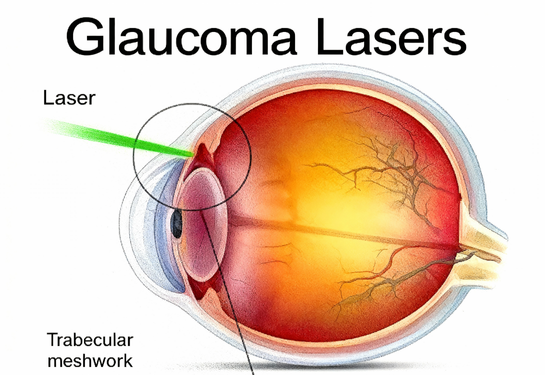
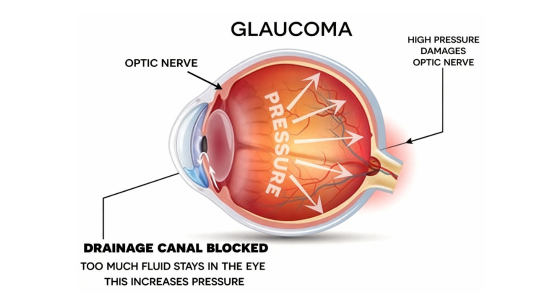
Glaucoma surgery is performed to lower intraocular pressure (IOP) when eye drops, tablets, or laser treatments can no longer control it. High IOP damages the optic nerve, leading to gradual, irreversible vision loss. The goal of surgery is not to restore lost vision but to preserve the remaining vision by improving the eye’s fluid drainage system.
Procedure Description
Glaucoma surgery aims to create a new pathway for aqueous fluid to drain or to enhance natural drainage. The type of surgery depends on the severity of glaucoma and patient factors.
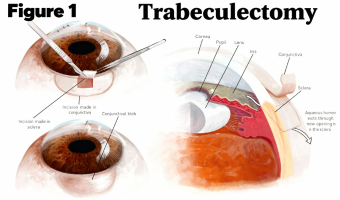
Trabeculectomy (Most common surgery)
A small flap is created in the sclera (white part of the eye).
A drainage channel is formed to allow fluid to escape into a small blister-like reservoir (called a bleb) under the eyelid.
This helps reduce internal eye pressure.
Benefits
Significant reduction in eye pressure
Slows or stops further optic nerve damage
Helps preserve remaining vision
Reduces long-term dependence on glaucoma eye drops
MIGS offers quicker healing and lower risk compared to traditional surgeries
Can prevent severe vision loss or blindness in progressive cases
Risks
All surgeries carry some risks, though complications are monitored closely:
Infection or inflammation
Bleeding inside the eye
Scarring of the drainage site which may reduce effectiveness
Temporary blurred or fluctuating vision
Hypotony (eye pressure becoming too low)
Cataract progression (more common after trabeculectomy)
Need for additional surgeries if drainage weakens over time
Post-Operative Care
Use of prescribed eye drops (antibiotics, steroids)
Frequent follow-up visits to check pressure
Avoiding rubbing eyes, lifting heavy weights, or bending forward
Monitoring the bleb or tube position
Long-term pressure checks to ensure stability
Features:
 Lowers intraocular pressure (IOP) to prevent further optic nerve damage.
- Creates a new drainage pathway (e.g., trabeculectomy) or enhances existing outflow (e.g., MIGS).
- Used when medications or laser therapy are insufficient to control IOP.
- Can be combined with cataract surgery for better overall eye pressure management.
- Offers long-term pressure control, reducing the risk of glaucoma progression and vision loss.
Package Inclusion:
- Complete surgical procedure (SX)
- All intra-operative medications, including:
- Local anesthesia
- Antibiotics
- Anti-inflammatory agents
- Antifibrotic agents (if applicable)
- Irrigating/viscoelastic solutions
- Operation Theatre (OT) charges
- Surgeon and nursing team fees
- Required surgical consumables and disposables
- Pre-operative preparation on the day of surgery
- Immediate post-operative recovery room care
- Eye dressing or shield (same-day)
Package Exclusion:
 Laboratory tests (LAB) – all blood tests, urine tests, and investigations
- Post-operative medications (antibiotic drops, steroid drops, pain medicines, lubricants)
- Follow-up consultation charges beyond the standard immediate post-op period
- Imaging or diagnostic tests (OCT, visual fields, biometry, ultrasound, X-rays)
- Hospital admission or room/bed charges (if required)
- Any additional procedures or surgeries not part of the primary operation
- Treatment of complications or emergency care
- Special lenses, glasses, or optical aids
- Any non-medical or administrative charges
- Medicines or consumables used before or after surgery (except intra-op)
Frequently Asked Questions
Helping you understand healthcare
No frequently asked questions available for this treatment.
