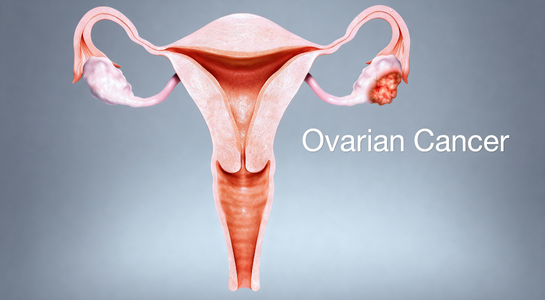
Ovarian Cancer Surgery

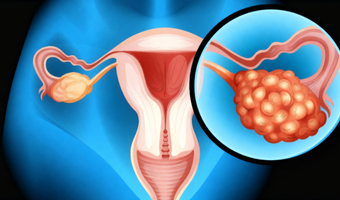
Ovarian Cancer Surgery
Ovarian cancer surgery involves removing one or both ovaries, often along with surrounding tissues, to treat ovarian cancer. It is a major surgical procedure performed under general anesthesia.
Specialty: Gynecology

Indore

Dr. Renu Sharma,
Price: ₹1,05,000 Onwards
About Ovarian Cancer Surgery
Ovarian cancer surgery is the primary treatment for ovarian malignancies and is often combined with chemotherapy. Depending on the stage and type of cancer, the procedure may involve removing one ovary (unilateral oophorectomy), both ovaries (bilateral oophorectomy), the uterus (hysterectomy), fallopian tubes, nearby lymph nodes, and affected tissue in the abdomen. The goal is to remove as much cancerous tissue as possible (cytoreductive or debulking surgery). Surgery can be performed via laparotomy (open surgery) or, in selected early-stage cases, laparoscopically. Recovery depends on the extent of surgery and overall health.
Ovarian cancer surgery involves removing the affected ovary along with nearby tissues, lymph nodes, and sometimes the uterus or fallopian tubes to treat cancer and achieve accurate staging. This major surgery helps remove as much cancerous tissue as possible and guides further treatment decisions, such as chemotherapy or radiation.
Pros/Benefits:
Complete removal of cancerous tissue
Allows accurate staging of ovarian cancer
Reduces symptoms like pain, bloating, and pressure
Guides further treatment planning for better outcomes
Cons/Risks:
Major surgery with longer recovery
Temporary fatigue, weakness, or discomfort
Hospital stay typically 4-5 days
Potential complications such as infection, bleeding, or organ injury
Recovery & Care:
Pain is managed with medications, and a balanced diet, rest, and emotional support are important during recovery. Follow-up visits and additional therapies may be required. Most patients gradually regain strength and resume normal daily activities over time.
Features:
 Major surgery aimed at complete or optimal tumor removal.
- Tailored approach based on cancer stage, patient health, and fertility considerations.
- Can include removal of ovaries, uterus, fallopian tubes, lymph nodes, and omentum.
- May be combined with chemotherapy for better outcomes.
- Requires careful postoperative monitoring and follow-up.
Package Inclusion:
- Operation Theatre (OT) Charges – Cost of equipment, anesthesia, and OT usage included.
- Hospital Stay Charges – Room charges up to 5 days.
- Medicines and Consumables – Covered up to a limit of ₹10,000 during the hospital stay.
- Pre and Post-operative Nursing Care – All standard nursing and monitoring services.
- Doctor Visits & Monitoring – Regular rounds and follow-up by the surgical and medical team.
Package Exclusion:
 Special Consultations – Charges for any additional specialty consultations, if required, will be extra.
- ICU Stay or Extended Room Stay – Charges for ICU or room upgrades depend on the patient's condition, hospital protocols, and chosen room category.
- Special Instruments / Equipment / Laser Charges – Use of advanced surgical equipment or laser technology (if required) will be charged separately.
- Emergency Services – In emergency situations, a 25% surcharge may apply over the standard treatment tariff.
- All exclusions will be discussed transparently during pre-treatment counseling to ensure complete clarity.
- Follow up visit
- What not included in inclusion criteria investigation done prior and during hospital stay .
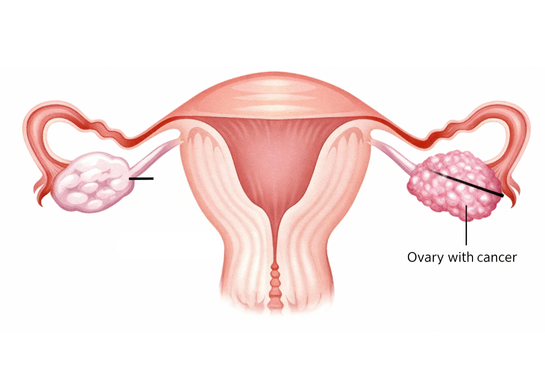
Frequently Asked Questions
Helping you understand healthcare
No frequently asked questions available for this treatment.
Top Doctors
View All
Dr. Renu Sharma
- Senior Gyneco-onco surgeon
- 10 Years of Experience
