Phaco Cataract Surgery

Phaco Cataract Surgery
Phaco cataract surgery uses ultrasound to break and remove the cloudy lens through a tiny incision, followed by placing an artificial lens. It offers quick recovery and clear vision.
Specialty: Ophthalmologist

Indore
Price: ₹20,000 Onwards
About Phaco Cataract Surgery
Treatment Procedure
Preoperative Evaluation
Vision tests, eye measurements, and assessment for IOL selection.
Medical history review to ensure fitness for surgery.
Anesthesia
Local anesthesia with numbing drops or injection; patient remains awake and comfortable.
Micro-Incision Creation
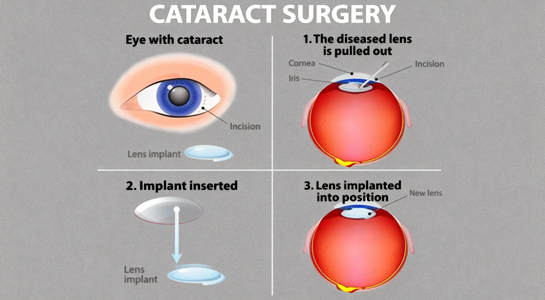
A tiny (1.8–2.8 mm) incision is made on the cornea.
Phacoemulsification
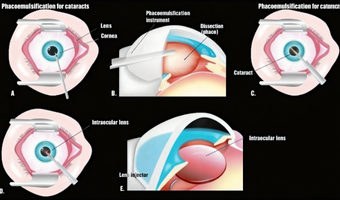
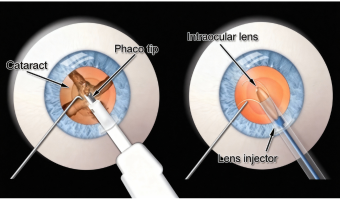
An ultrasonic probe is inserted to break the cloudy lens into tiny fragments.
Lens fragments are suctioned out through the same incision.
IOL Implantation
A foldable intraocular lens is inserted and positioned inside the natural lens capsule.
Self-Sealing Incision
The micro-incision usually seals on its own without stitches.
Postoperative Care
Antibiotic and anti-inflammatory drops prescribed for a few weeks.
Benefits
Minimally invasive with tiny incision and less tissue trauma.
Quick recovery, often with improved vision within 24–48 hours.
High precision using advanced phaco technology.
Less postoperative discomfort compared to manual techniques.
Lower risk of astigmatism due to smaller incision.
Excellent visual outcomes with enhanced clarity and contrast.
Aftercare & Recovery
Use prescribed eye drops as instructed.
Avoid rubbing or pressing the operated eye.
Keep water, dust, and sweat away from the eye initially.
Avoid heavy lifting, bending, and strenuous activities for 1–2 weeks.
Wear sunglasses outdoors to reduce glare and protect the eye.
Attend all follow-up visits to monitor healing.
Expected Outcomes
Clearer, brighter vision typically within a few days.
Many patients may need glasses for reading depending on the IOL type.
Features:
 Advanced Phaco Technology
- Uses ultrasound energy for precise and efficient cataract removal.
- Minimally Invasive Procedure
- Performed through a tiny 1.8–2.8 mm incision that requires no stitches.
- Quick Visual Recovery
- Most patients notice clearer vision within 1–2 days.
- Reduced Postoperative Discomfort
- Smaller incision means less irritation and faster healing.
- High Safety Profile
- Lower risk of complications due to controlled, machine-assisted technique.
- Day-Care Procedure
- Completed in 30 minutes with the patient going home the same day.
- Customizable IOL Options
- Compatible with monofocal, multifocal, and toric lenses for tailored vision correction.
Package Inclusion:
- Complete Phacoemulsification cataract surgery (SX)
- Intraocular Lens (IOL) implantation – as per package category
- Intra-operative medications, including:
- Local anesthesia
- Antibiotics
- Anti-inflammatory agents
- Viscoelastic substances
- Irrigating solutions
- Operation Theatre (OT) charges
- Surgeon and nursing team fees
- Use of surgical consumables and disposables
- Pre-operative eye preparation on the day of surgery
- Immediate post-operative care in recovery room
- Eye dressing/shield on the day of surgery
Package Exclusion:
 Preoperative Laboratory Tests
- Any blood tests, urine tests, or other diagnostic investigations required before surgery.
- Includes tests for systemic health conditions that may affect anesthesia or surgical safety.
- Not covered in the basic package and billed separately if required.
- Postoperative Medications
- Medications prescribed after surgery, such as antibiotic drops, anti-inflammatory drops, or pain-relief medicines.
- Required for proper healing and infection prevention, but not included in the standard surgery package.
- Patients need to purchase these separately as per doctor’s prescription.
Frequently Asked Questions
Helping you understand healthcare
No frequently asked questions available for this treatment.
