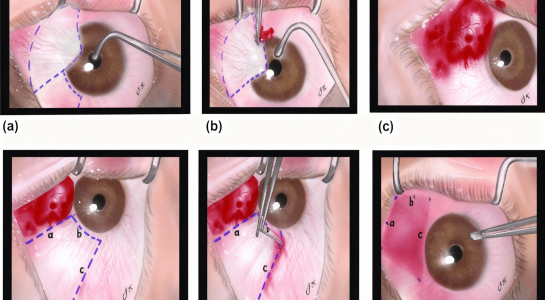
Pterygium Surgery With Sutures

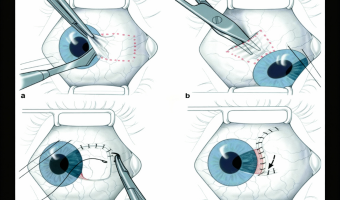
Pterygium Surgery With Sutures
Pterygium surgery with sutures removes the eye’s tissue growth and secures a graft with stitches to reduce irritation and lower the chance of recurrence.
Specialty: Ophthalmologist

Indore
Price: ₹20,000 Onwards
About Pterygium Surgery With Sutures
Treatment Overview:
Pterygium surgery is performed to remove a fleshy, triangular growth on the white part of the eye that extends onto the cornea. This growth can cause redness, irritation, dryness, blurred vision, or cosmetic concerns. The surgery becomes necessary when symptoms worsen or when the pterygium threatens vision.
Procedure:
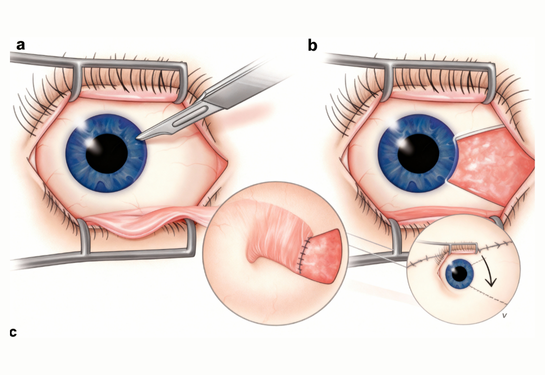
During the operation, the surgeon carefully excises the pterygium from the cornea and sclera. To prevent recurrence, a conjunctival autograft—a small piece of healthy tissue from another part of the patient’s eye—is placed over the area where the growth was removed. Fine sutures (either absorbable or nylon) are used to secure the graft firmly in place. The stitches help stabilize the graft during the early healing phase. The eye is then covered with medication and a protective patch.
Benefits:
Reduces irritation, redness, and tearing
Improves cosmetic appearance
Restores comfort and visual clarity
Conjunctival graft with sutures lowers recurrence rates
Provides strong graft fixation during healing
Risks:
Temporary discomfort, redness, and foreign-body sensation
Suture-related irritation
Infection or inflammation
Rare recurrence of pterygium
Graft displacement (less common with sutures)
Features:
 Treatment Features
- Excision of Pterygium: The abnormal tissue growing over the cornea is carefully removed.
- Conjunctival Autograft: A small piece of healthy conjunctiva from the same eye is transplanted to cover the excision area.
- Suture Fixation: Fine stitches are used to secure the graft firmly, ensuring stability during the healing period.
- Enhanced Healing: Sutures help the graft attach properly, reducing chances of displacement.
- Lower Recurrence Rate: The autograft technique significantly minimizes the likelihood of the pterygium returning.
- Improved Eye Comfort: Reduces redness, irritation, tearing, and foreign-body sensation caused by the growth.
- Cosmetic Improvement: Restores a clearer, more natural appearance to the eye.
- Outpatient Procedure: Usually done under local anesthesia and completed within 30–45 minutes.
- Post-operative Care: Anti-inflammatory and antibiotic drops are prescribed to support healing and prevent infection.
- Suitable for Symptomatic Cases: Recommended when the pterygium affects comfort, appearance, or vision.
Package Inclusion:
- Pterygium Surgery With Sutures (SX + Intra-Op Med):
- Complete surgical removal of pterygium
- Conjunctival autograft procedure
- Suture fixation of the graft
- Local anesthesia during surgery
- Use of intra-operative medications (antibiotics, anti-inflammatory agents, antifibrotics as required)
- Operation theatre charges
- Surgeon and nursing team fees
- Sterile consumables and surgical instruments
- Post-operative eye dressing on the day of surgery
- Immediate post-surgery monitoring in recovery area
Package Exclusion:
 Preoperative Laboratory Tests
- Any blood tests, urine tests, or other diagnostic investigations required before surgery.
- Includes tests for systemic health conditions that may affect anesthesia or surgical safety.
- Not covered in the basic package and billed separately if required.
- Postoperative Medications
- Medications prescribed after surgery, such as antibiotic drops, anti-inflammatory drops, or pain-relief medicines.
- Required for proper healing and infection prevention, but not included in the standard surgery package.
- Patients need to purchase these separately as per doctor’s prescription.
Frequently Asked Questions
Helping you understand healthcare
No frequently asked questions available for this treatment.
