Sleep Apnea Surgery: When Is Treatment Needed Beyond CPAP?

Blog/Articles

By Cureon Medical Tourism
Updated October 16, 2026
Sleep Apnea Surgery: When Is Treatment Needed Beyond CPAP?
Sleep Apnea Surgery in India: Treatment Options Beyond CPAP for Obstructive Sleep Apnea
A doctor has told a sleep apnea patient that sleep apnea has been diagnosed and has given a CPAP machine. The patient wants a night’s sleep but the mask keeps slipping, the patient’s nose feels blocked, or the patient wakes up and has taken the mask off. It is reasonable for the patient to ask if there is another way to treat sleep apnea.
For some sleep apnea patients, another option exists. Sleep apnea surgery may be considered when CPAP is hard to use all the time or does not work enough. However, surgery is not the step for every sleep apnea patient who dislikes a mask. The right treatment depends on why the airway closes during sleep, on the severity of sleep apnea, and on health. Patients exploring sleep apnea treatment in Indore, India, can connect with doctors and hospitals through CureOn Medical Tourism to understand available treatment options.
Understanding CPAP Treatment for Sleep Apnea
Obstructive sleep apnea occurs when the upper airway repeatedly narrows or closes during sleep. This can interrupt breathing and leave a sleep apnea patient tired during the day even after a full night in bed.
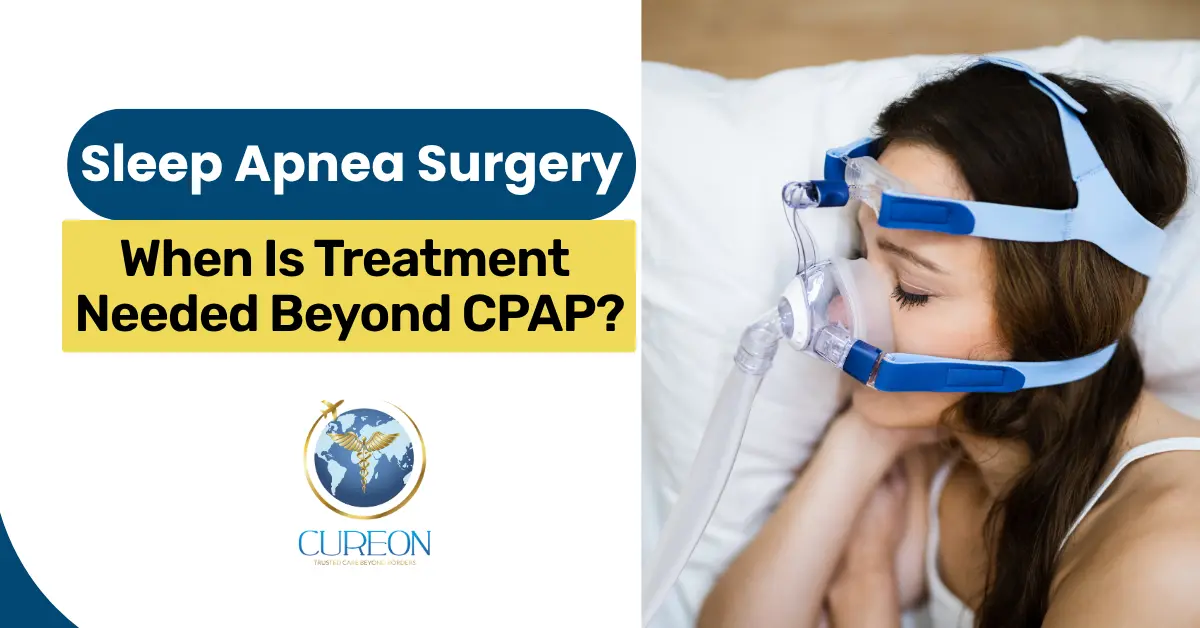
A CPAP machine delivers a flow of air through a mask to help keep the airway open. It is a treatment for many sleep apnea patients, especially when used regularly. If a sleep apnea patient is struggling, the patient should tell a sleep specialist what is wrong. A different mask, adjustments to the machine, or help with symptoms may make CPAP easier to use.
When Should You Consider Sleep Apnea Treatment Beyond CPAP?
It may be time to review CPAP alternatives for sleep apnea if a sleep apnea patient has made an attempt to use CPAP but still cannot tolerate it, repeatedly removes it during sleep, or cannot use it for enough of the night. Some sleep apnea patients also have an airway problem that a specialist can identify and assess for treatment.
A discussion about sleep apnea surgery does not mean a sleep apnea patient has agreed to an operation. It is a chance to understand what is causing the blockage and whether a procedure is likely to help. Sleep medicine guidance supports discussing a consultation with adult sleep apnea patients who cannot accept or tolerate positive airway pressure treatment or whose use remains inadequate despite support.
Alternatives to CPAP Before Sleep Apnea Surgery
Depending on the condition, a doctor may discuss other sleep apnea treatment options, including:
- An oral appliance that moves the lower jaw forward.
- Treatment for nasal problems that affect breathing during sleep.
- Weight management if weight contributes to sleep apnea.
An oral appliance must be properly fitted and followed up; it is not the same as buying a mouthguard.
These options are worth discussing before deciding on surgery for sleep apnea. The goal is to find a treatment that a sleep apnea patient can use and that improves breathing during sleep. A sleep apnea specialist can help determine which treatment is suitable.
Types of Sleep Apnea Surgery
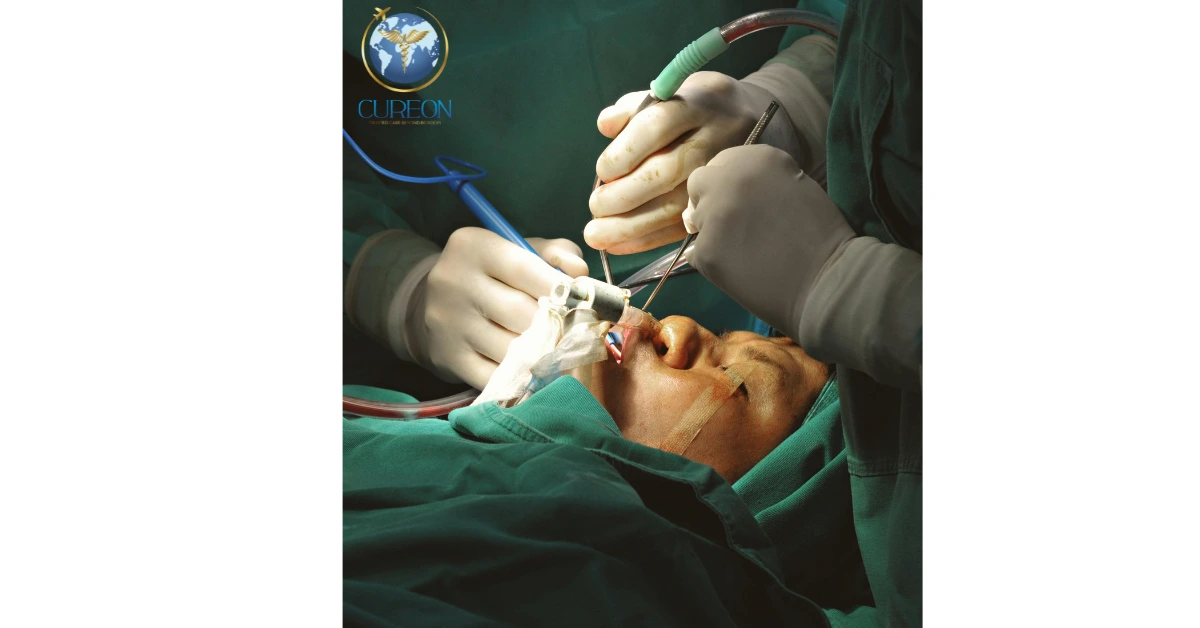
There is no operation that suits every sleep apnea patient. A surgeon may consider different procedures depending on where the airway narrows.
- Nose: A procedure involving the nose.
- Throat: A procedure involving the throat.
- Tonsils: A procedure involving the tonsils.
- Jaw: A procedure involving the jaw.
- Tongue: A procedure involving the tongue.
- Implanted Device: A device that stimulates muscles involved in keeping the airway open may also be considered.
- Bariatric Surgery: If obesity is a contributing factor, a specialist may discuss bariatric surgery as part of a wider treatment plan.
The name of a procedure matters less than why it's being recommended for a sleep apnea patient. Ask:
- What improvement is realistically expected?
- What does recovery involve?
- Might a sleep apnea patient still need CPAP or another treatment afterward?
Patients considering obstructive sleep apnea surgery in India should discuss the available surgical options with a qualified specialist before making a decision.
Tests and Evaluations Before Sleep Apnea Surgery
A specialist will review a sleep study, symptoms, medical history, and previous treatment. An examination helps identify areas of obstruction. A sleep apnea patient should also discuss the risks of the proposed procedure and how its results will be checked.
This follow-up matters. Feeling less tired or snoring less is encouraging. It does not always show whether breathing interruptions have resolved. A doctor may recommend another sleep study after treatment and continued care if sleep apnea remains. Regular checkups help make sure sleep apnea treatment is working.
Before undergoing sleep apnea surgery in India, patients should understand the required tests, treatment plan, recovery, and follow-up care.
Sleep Apnea Treatment in Indore, India
If a sleep apnea patient is considering sleep apnea treatment in India, plan for the process: specialist assessment, any recommended procedure, recovery, and follow-up. Travelling for surgery should start with a review of records rather than a decision based on a procedure name alone.
CureOn Medical Tourism lists sleep apnea among its treatment areas and helps sleep apnea patients connect with hospitals and doctors in India. Sleep apnea patients considering sleep apnea treatment in Indore can discuss their records and travel plans with CureOn while treating specialists determine which care is appropriate.
Patients exploring sleep apnea surgery in Indore can also discuss the treatment process, hospital options, and recovery requirements before travelling. For international patients seeking sleep apnea treatment in India, medical tourism planning may help with hospital coordination and follow-up arrangements.
If CPAP is difficult to live with, you do not have to keep guessing whether CPAP is your only option. Speak to a sleep specialist about the problems you are having. Ask whether an oral appliance, other treatment, or a surgical consultation makes sense for you. The best choice is the one that addresses your airway problem and can be checked for results afterward.
Conclusion
Sleep apnea surgery may be an option when CPAP is difficult to tolerate, but the decision requires a specialist’s assessment. The right treatment depends on the cause of airway blockage, the severity of sleep apnea, and your overall health. Discuss CPAP adjustments, oral appliances, and suitable surgical options with your doctor, and plan follow-up to assess the results.
If you are exploring sleep apnea treatment in Indore, India, or looking for sleep apnea surgery in India, CureOn Medical Tourism, best medical travel company in India, can help you connect with doctors and hospitals and coordinate your medical trip. Your treating specialist will guide you on the appropriate treatment, recovery, and ongoing care.
Frequently Asked Questions
1. Is surgery necessary for everyone with sleep apnea?
No. Many people manage obstructive sleep apnea effectively with CPAP or another nonsurgical treatment.
2. When should sleep apnea surgery be considered?
Ask about a surgical consultation if you cannot tolerate CPAP despite support, cannot use it consistently, or have an airway problem that may be suitable for a procedure.
3. Can obstructive sleep apnea be treated with surgery?
Surgery may help reduce breathing problems during sleep in selected patients. However, its effectiveness depends on the cause and severity of sleep apnea, and some patients may still need additional treatment.
4. Should CPAP be stopped when considering sleep apnea surgery?
Do not stop prescribed treatment on your own. Discuss your current symptoms and CPAP use with your doctor.
5. Is snoring alone a reason for sleep apnea surgery?
No. Snoring does not always mean you have sleep apnea. A proper assessment is needed before choosing treatment.
6. What are the alternatives to CPAP therapy besides surgery?
Some adults may benefit from a custom-fitted oral appliance. A doctor may also recommend managing nasal issues, maintaining a healthy weight, and making lifestyle changes based on the individual’s condition. CureOn Medical Tourism can help patients connect with the right specialist for personalised treatment guidance.
7. How does a doctor choose the type of surgery?
The choice depends on your sleep study, examination, health and the location of the airway obstruction.
8. Is a Follow-Up Sleep Study Needed After Surgery?
A follow-up sleep study may be recommended by your doctor to evaluate the results of surgery and determine whether sleep-related breathing problems have improved or if further treatment is required.
9. Can international patients explore sleep apnea treatment in Indore?
Yes. Share your sleep study and medical records for specialist review before making treatment and travel plans.
10. How Can CureOn Medical Tourism Help?
CureOn Medical Tourism helps patients connect with experienced doctors and reputed hospitals in India for diagnosis and treatment. From doctor consultations and treatment coordination to hospital arrangements and travel support, CureOn assists patients throughout their medical journey. The treating specialist will evaluate the patient’s condition and recommend the most appropriate treatment, including surgery if needed.